Shop All Safety Labels

Industrial environments need safety labels that stay clear, readable, and firmly in place. At North Mark Safety & Marking, we produce industrial safety labels designed for long-term performance in demanding facilities. Printed on premium vinyl and protected with a durable laminate, our labels resist moisture, chemicals, and daily wear while maintaining strong adhesion and visibility on equipment, machinery, and work areas.

We use high-quality North American materials and offer a wide range of sizes and shapes to suit your application. Not sure which label is right for the job? Our team is happy to help point you in the right direction.

Product Catalogue

Industrial Labels for All Your Needs

  • Uncategorized

    Pipe Label Configurator

    $50.00
  • Custom Stickers

    Sticker Sheets

    $30.00
  • transfer stickers

    Transfer Stickers

    $0.76
  • pipe labels

    Industrial sticker

    $0.76
  • DTF Transfer

    DTF Transfer

    Price range: $45.00 through $324.00 This product has multiple variants. The options may be chosen on the product page
  • internal

    DTF Transfer Builder – Manual

    Price range: $45.00 through $324.00 This product has multiple variants. The options may be chosen on the product page
  • packaging labels

    Packaging Labels

    $0.76
  • Custom Labels

    Bottle Labels

    $0.76
  • Custom Labels

    Product Labels

    $0.76
  • Custom Stickers

    Bumper Stickers

    $0.76
  • Custom Stickers

    Phone Case Stickers

    $0.76

Need Help?

Not sure which safety labels are right for your equipment or facility? Our team can help you pick the proper labels for your application, environment, and safety requirements.

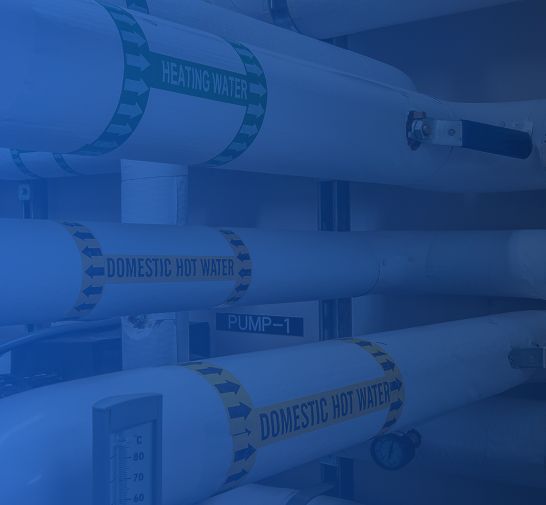
Pipe Labels

About Industrial Safety Labels, Materials & Standards

Industrial safety labels help workers spot hazards quickly and follow the right procedures on the job. At North Mark Safety & Marking, our labels are built for real industrial conditions, with durable materials, high-contrast colours, and strong adhesives that hold up to daily wear. The goal is simple: clear, dependable labels that help keep workplaces safer.

FAQs

Our Most Frequent Questions About Safety & Hazard Labels

What are the safety guidelines regarding labels?

Safety labels should clearly communicate hazards, required precautions, and safe operating instructions. They must be durable, easy to read, and placed where workers can quickly see them.

In Canada, many workplaces follow WHMIS and CSA guidelines for hazard communication, while in the United States, similar requirements are guided by OSHA’s Hazard Communication Standard (HazCom), which aligns with the globally harmonized system (GHS).

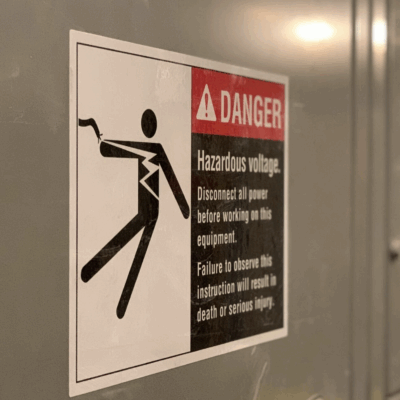
A typical hazard label includes a product identifier, hazard pictograms (when required), a signal word such as Danger or Warning, hazard statements describing the risk, and precautionary statements outlining safe handling procedures. Additional information, like supplier details or instructions, may also be included depending on the application.
A supplier label is provided by the manufacturer or distributor and includes standardized information required under WHMIS, such as pictograms, signal words, and hazard statements. A workplace label is created by the employer for use within the facility and typically includes the product name, safe handling instructions, and a reference to the safety data sheet (SDS).
Signal words indicate the level of hazard associated with a product. Danger is used for more severe hazards, while Warning indicates a less severe but still important hazard. These words help workers quickly understand the level of risk involved.
No. Hazard pictograms are only required for products that are classified as hazardous under systems like WHMIS or GHS. If a product does not meet the criteria for a hazard classification, a pictogram is not required.
If a label becomes damaged, faded, or unreadable, it should be replaced as soon as possible. Clear labels are essential for hazard communication, so maintaining legible labels helps ensure workers can identify risks and follow proper safety procedures.
Scroll to Top